

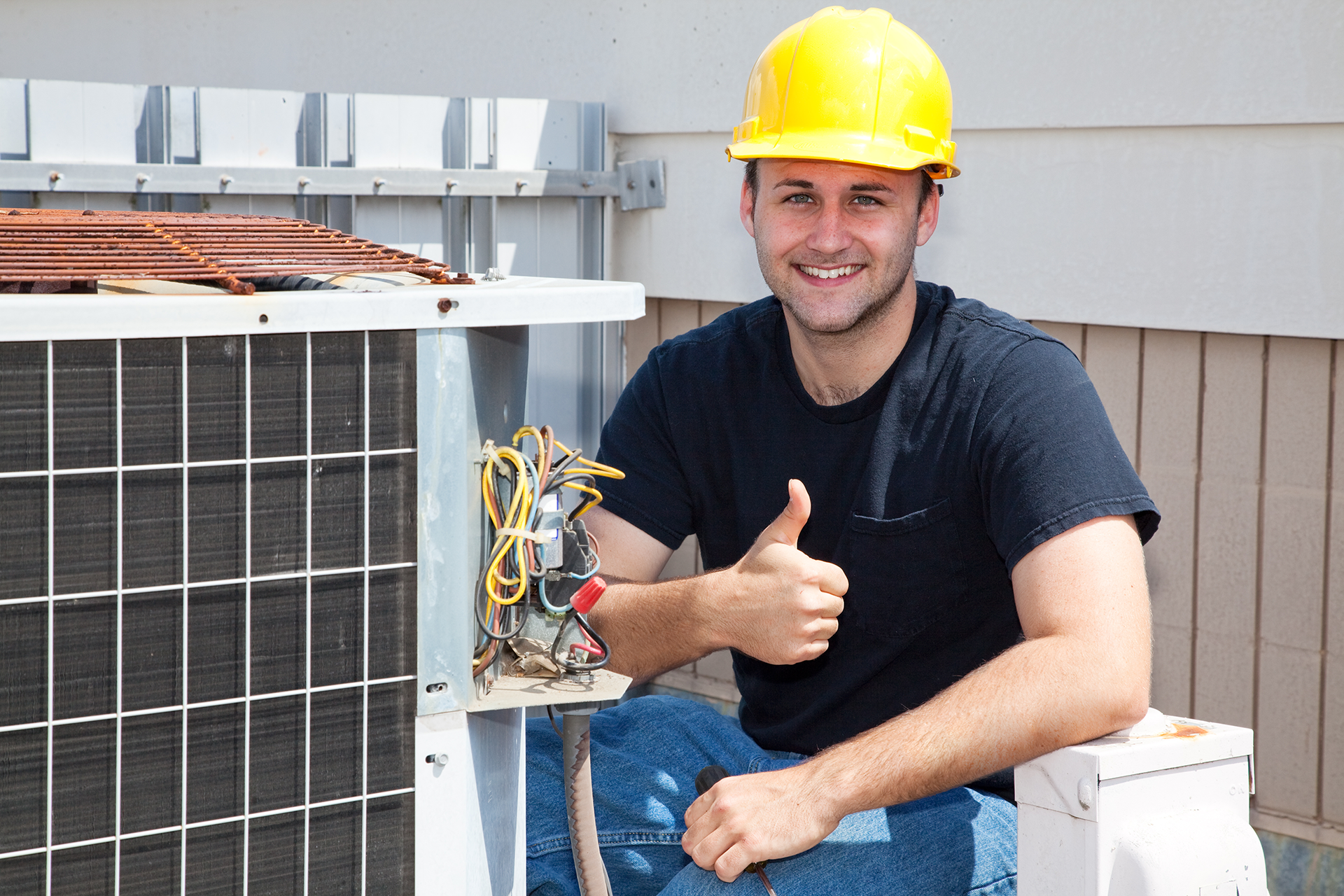
Useful steps may include correct filtration, sealed ductwork, clean coils, controlled ventilation, humidity management, and addressing dust sources. The right combination depends on the building and the people using it.

North Hollywood Heating and Cooling Specialists

Heating, Cooling, and Air Quality Help in North Hollywood
When temperatures climb, small airflow problems quickly become noticeable. In North Hollywood, that is especially true for Valley homes, apartments, creative studios, workshops, and busy commercial properties. That assessment helps separate a repairable performance issue from a system that is inefficient, undersized, or near the end of its service life.
Conditions such as intense summer heat, older package units, and high cooling demand in converted or expanded spaces can expose weak airflow and aging components. The goal is to recommend work that fits the current system, the property, and the owner's priorities.
Arrange a Local Appointment
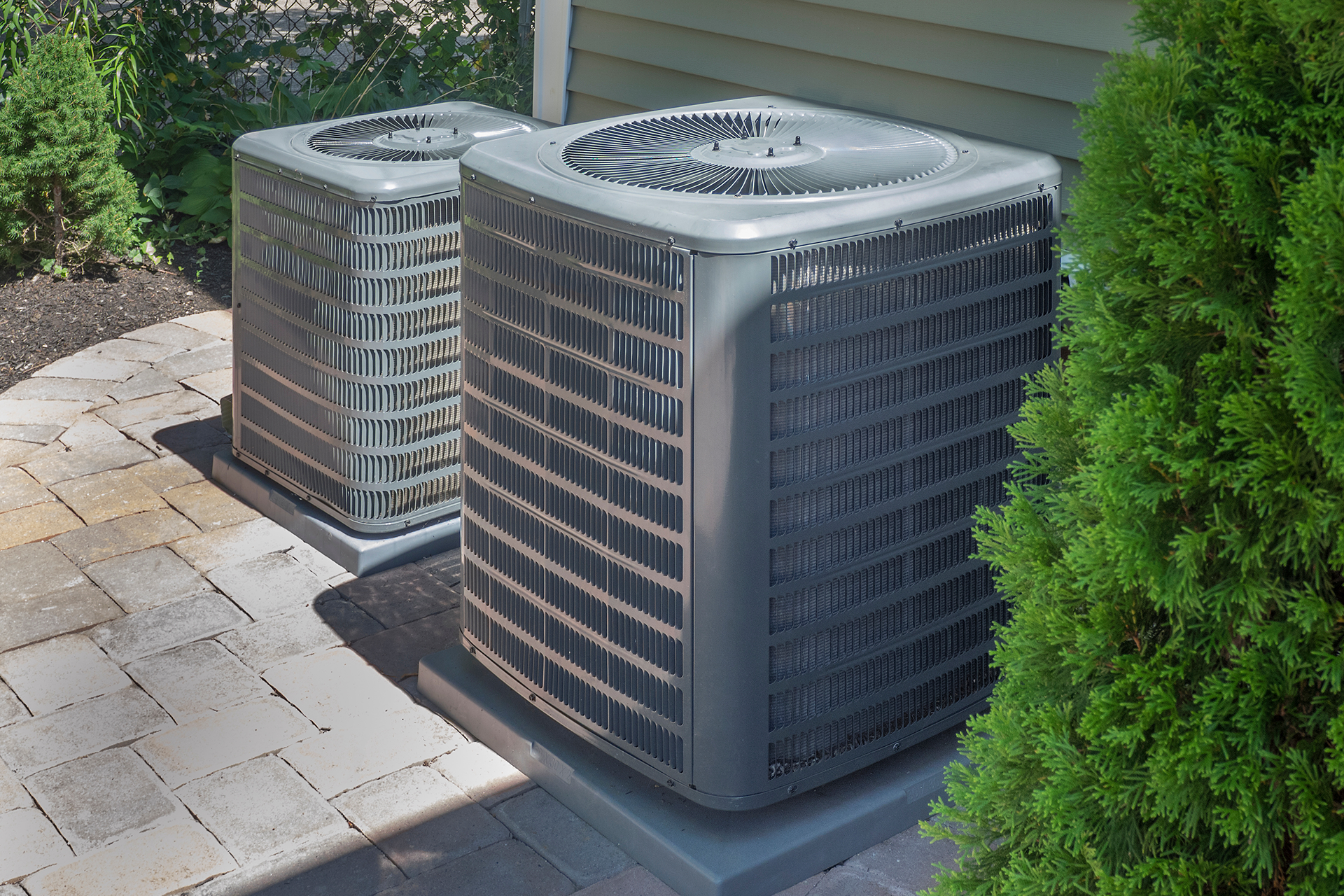
Heating and Cooling Solutions With a Clear Process in North Hollywood
Property owners can request help for repairs, maintenance, installation planning, thermostat issues, filtration, and uneven room temperatures. Every recommendation should be explained in plain language so the property owner can compare immediate needs with longer-term options.
When a system upgrade makes sense, careful sizing and installation planning help protect efficiency and comfort. This matters in North Hollywood properties where additions, remodels, or multiple levels can create uneven loads.
Review Available HVAC ServicesLocal comfort questions
Information for property owners
How can indoor air quality be improved in North Hollywood?
Why does my North Hollywood home cool unevenly?
Uneven cooling can come from blocked returns, duct leakage, poor balancing, sun exposure, thermostat location, or equipment capacity. A technician can compare room temperatures and airflow to find the most likely cause instead of guessing.
How often should HVAC maintenance be scheduled in North Hollywood?
Annual service is a practical baseline, and many systems benefit from a cooling check before the hottest weather. Properties with pets, heavy use, construction dust, or long run times may need filter and coil attention more often.
Can an older system be repaired instead of replaced?
Often it can. The decision depends on the failed part, equipment age, refrigerant type, repair history, efficiency, and whether the system still meets the building's load. A clear diagnosis should come before a replacement recommendation.
What should be reviewed before installing new HVAC equipment?
Important items include system sizing, duct condition, electrical capacity, drainage, return airflow, equipment location, controls, and applicable code requirements. Reviewing these details helps the new system perform as intended.